
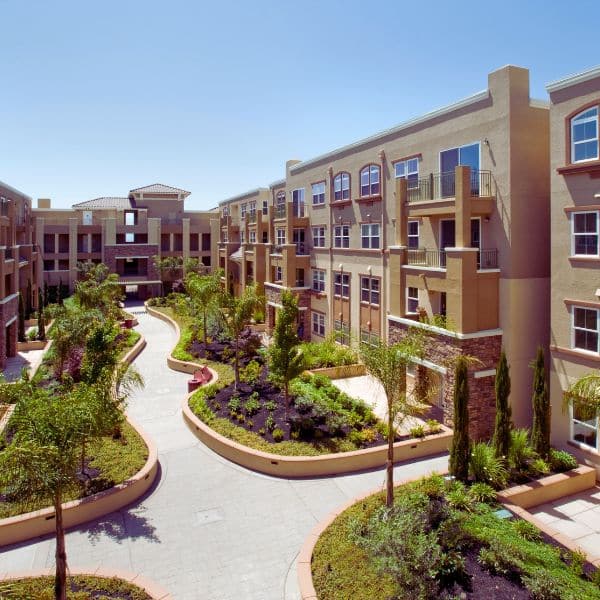
Controlling community common expenses is one of the most common challenges for presidents and administrators. The key lies in finding the balance between maintaining quality services —cleaning, maintenance, gardening, or security— and avoiding unnecessary increases in monthly fees. With proper planning, the involvement of all neighbors, and professional management, it is possible to reduce costs without losing services.
Analyze the budget and identify areas for improvement
The first step to reducing community common expenses is to thoroughly review the annual budget. Many communities carry outdated contracts, duplicated expenses, or little-used services that increase costs without providing real value.
Key steps for an effective analysis
- Review maintenance contracts and compare prices with the current market.
- Identify expenses that can be consolidated, such as elevator and security system maintenance.
- Check energy and water consumption to implement efficiency measures.
Practical measures to reduce expenses without losing quality
Reducing community common expenses does not necessarily mean cutting services, but rather optimizing resources and seeking more cost-effective alternatives.
Energy optimization
- Install LED lighting in common areas and motion sensors in hallways and garages.
- Schedule garden irrigation during hours of lower evaporation and choose low-water-maintenance plants.
- Review the contracted electricity capacity with the power company to adjust it to actual consumption.
Negotiation with suppliers
- Request alternative quotes and carry out open bidding processes.
- Consolidate services with a single supplier to obtain volume discounts.
- Review contracts annually to renegotiate terms.
When to apply changes?
The ideal time to propose changes is before approving the annual budget, during the homeowners’ meeting. This allows the new measures to be implemented from the beginning of the fiscal year and for all owners to understand the benefits and the impact on the monthly fee.
Relying on professional administration
A good property and community management service is key to successfully implementing these measures. Professional administrators have experience in negotiation, financial management, and resource optimization, which translates into significant savings for the community.
If you want more practical tips, we invite you to read our article on optimizing common expenses in a community, where we explain real cases and achieved results.
The path to an efficient community
Reducing community common expenses is possible without sacrificing quality if strategies based on analysis, efficiency, and negotiation are applied. With the involvement of residents, constant budget review, and the help of a professional administrator, sustainable savings and better economic management of the community can be achieved.
External reference: See the Spanish Horizontal Property Law for detailed information on financial and management obligations in homeowners’ communities.

