
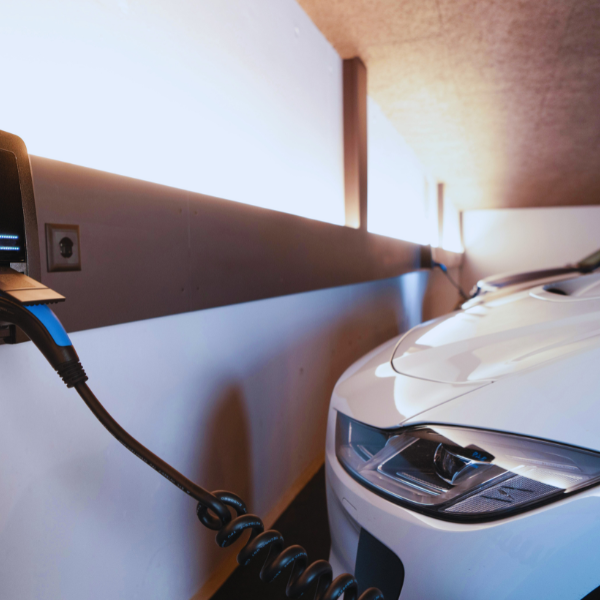
The transition to electric mobility in the Costa del Sol and Seville is unstoppable. With the increasing number of electric vehicles in areas such as Estepona, Marbella, Sotogrande, and central Seville, community of owners face the challenge of adapting their garages. If you are considering installing a charger, it is essential to understand the regulations to avoid neighbor conflicts and legal setbacks.
1. What does the Horizontal Property Law say in 2025?
Many owners fear that their neighbors might block the installation, but Spanish legislation is very clear in order to promote sustainability. According to Article 17.5 of the Horizontal Property Law (LPH), the installation of an electric vehicle charging point for private use in an individual parking space does not require a vote by the Homeowners’ Association.
- Obligation to Communicate: You only need to notify in writing the President of the Community or the Chartered Property Manager officially.
- Notice Period: It is recommended to provide this notice at least 30 days before starting the work, attaching the technical scheme of the installation.
- Location: The installation must not alter common elements or hinder the use of other parking spaces.
2. Costs and Financing: Who bears the investment?
It is important to distinguish between an individual installation and a collective one, especially in large urbanizations in Sotogrande or Estepona where distances to the meter can be significant:
- Private Installation: The full cost of the charging point, the wiring from the meter, and the electricity consumption is borne by the interested owner.
- Common Infrastructure: If the community decides to install a common cable trunk to facilitate future connections for other neighbors, an agreement by simple majority is required. At Ríos Espinosa, we recommend this option for large communities, as it reduces costs in the long term and maintains the aesthetic order of the garage.
3. Technical Requirements and ITC-BT-52 Regulation
Not just any cable will do. The installation must strictly comply with the Low Voltage Electrotechnical Regulations (ITC-BT-52) to ensure there is no risk of fire or overload in the building:
- Authorized Installer: It is mandatory for a certified professional to carry out the work and sign the Electrical Bulletin (CIE).
- Meter: The connection is usually derived from the home’s meter (if they are in the same block) or from the garage’s common services meter with an intelligent secondary meter.
- Safety: Protections against overvoltages and indirect contacts must be installed.
4. Subsidies and the MOVES III Plan in Andalusia
Installing a charger in 2025 is more affordable thanks to European funds managed by the Junta de Andalucía. Owners in provinces such as Málaga, Cádiz, and Seville can benefit from:
- Direct Grants: Reimbursements that can reach up to 70% or 80% of the infrastructure cost.
- Tax Deductions: There is a personal income tax (IRPF) deduction of up to 15% for the installation of battery charging systems for electric vehicles.
5. Summary of steps for the owner
| Phase | Action | Responsible Party |
|---|---|---|
| 1. Technical Report | Request a quote and technical scheme. | Certified Installer |
| 2. Notification | Notify the Manager/President in writing. | Property Owner |
| 3. Execution | Installation and issuance of the Electrical Bulletin. | Certified Installer |
| 4. Grants | Processing MOVES Plan subsidies. | Consultant / Owner |

